Food Safety Training for Childminders in Ireland
Assess food handling duties, hygiene routines and training needs in childcare settings.
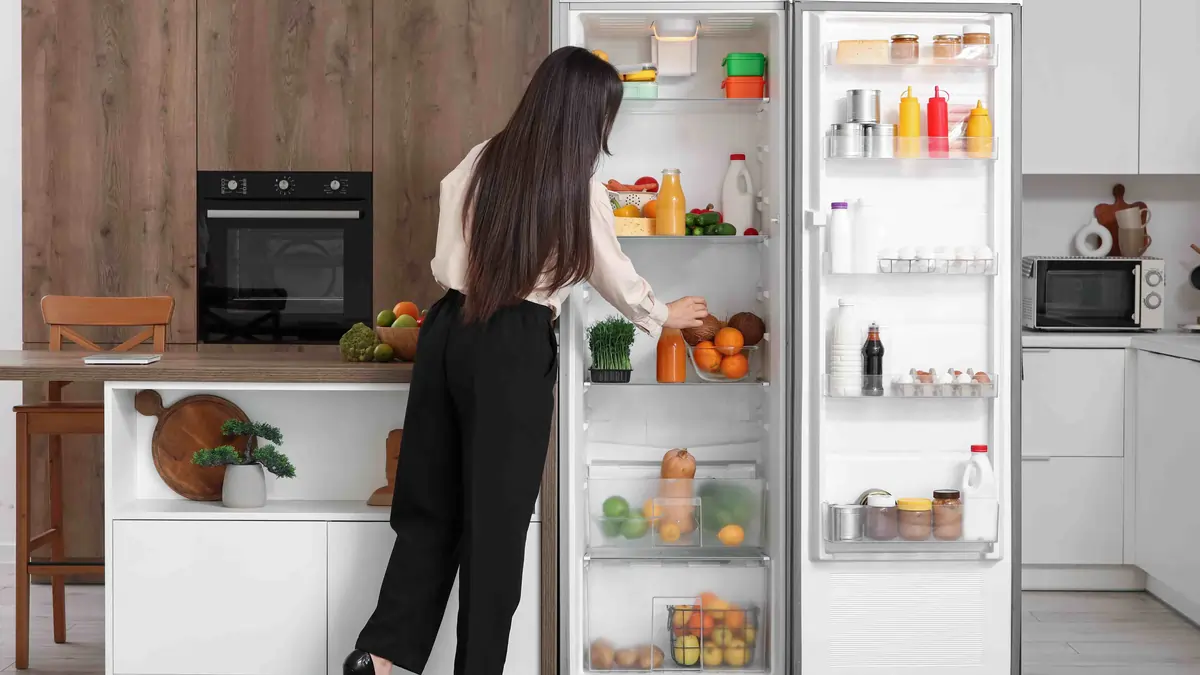
Plan food safety around the childcare setting
Food safety training for childminders and childcare teams should reflect how food is received, stored, prepared and served in the setting. A home-based childminding service, a crèche with a kitchen and an after-school service receiving prepared meals can have different arrangements. Start with the operation and the responsibilities of the people involved.
Children depend on adults to manage meals, hygiene and relevant dietary information consistently. A useful training plan therefore connects food handling with communication: who checks ingredients, who prepares the meal, who serves it and how changes or concerns are passed on.
This guide explains practical skills and management checks. Confirm the regulatory arrangements for the particular service with the appropriate authorities rather than assuming that every childcare setting falls under identical requirements.
Separate childcare requirements from food-business arrangements
Tusla publishes the legislation and guidance relevant to childminding and early years services. Childminding-specific regulations were introduced in 2024, with transition arrangements. Consult the current Tusla childminding legislation information and its registration guidance for the service concerned.
Separately, establish the food-business registration and food safety arrangements that apply to the activities carried out. The FSAI registration guidance explains the starting route for identifying the appropriate competent authority. Describe the food operation accurately when seeking advice.
A commercial HACCP course is not a substitute for childcare registration, required safeguarding or first-aid learning, or an individual child’s care arrangements. Identify each requirement and the evidence needed for it. Avoid treating one certificate as proof that every responsibility has been addressed.
Identify the food handling skills each person needs
List the tasks performed by staff or the childminder. Include receiving ingredients or meals, storage, preparation, cooking where relevant, serving, cleaning and dealing with a failed check. Note who is responsible for the food safety procedures and who covers when the usual person is absent.
- Introductory learning supports hygiene, illness reporting, contamination prevention and understanding local arrangements.
- Additional food-handler skills support regular preparation, storage, service and routine checks.
- Management knowledge supports maintaining procedures, supervising staff and responding to problems.
Use the HACCP level comparison to organise learning by responsibility. The Level 2 roles guide and manager training guide provide more detail.
Where one childminder performs all the tasks, consider both the practical handling and management decisions. The learning should help them understand when the normal procedure cannot be followed and how to obtain appropriate advice or support.
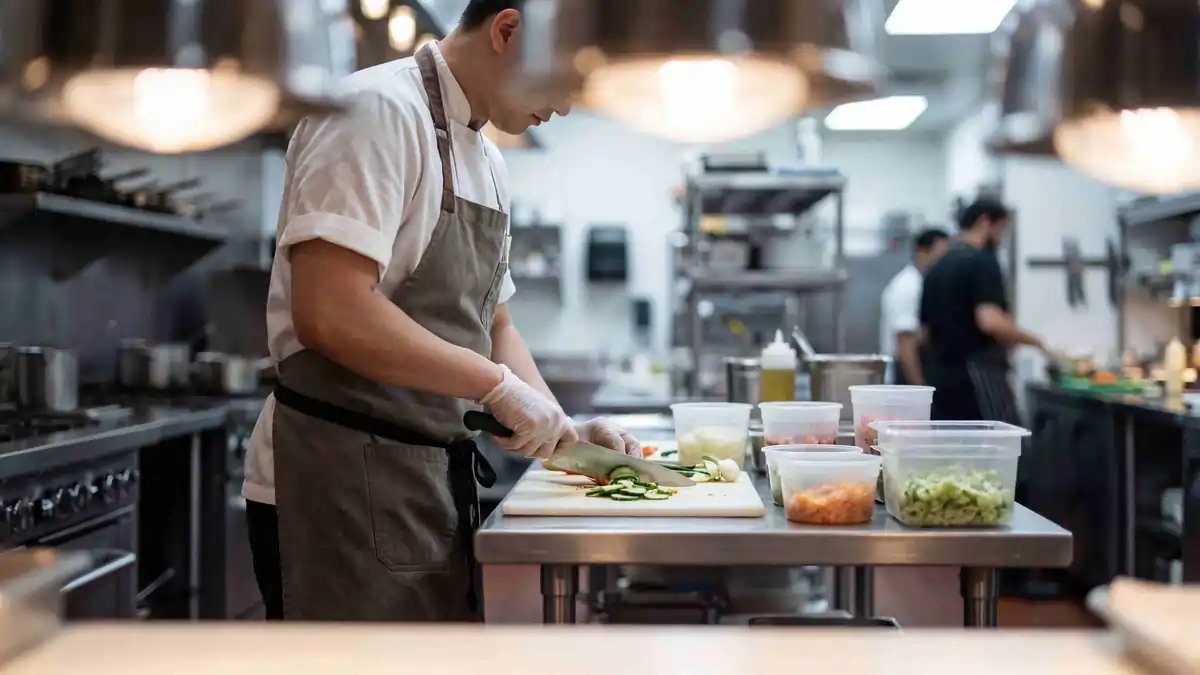
Demonstrate hygiene and safe routines locally
Show the person the equipment and procedures used in the setting. Explain handwashing, cleaning, storage and the separation needed between different tasks. Include the way food preparation is organised around other care activities so that interruptions do not leave important checks unfinished.
Ask the learner to demonstrate the relevant steps. For example, show how received meals are identified and stored under the setting’s procedure, or how a preparation area is made ready for use. Check that the employee knows where records are kept and who can answer a question.
Keep instruction manageable and specific. A new staff member should not be expected to learn every detail during a busy mealtime without supervision. The food-handler induction guide provides a practical sequence for demonstration, observation and follow-up.
Make dietary and allergen handovers dependable
Agree how information about a child’s dietary needs and allergies is obtained, kept current and communicated to the people who need it. Use the setting’s approved care and emergency arrangements, with appropriate input from parents or carers and relevant professionals. Keep access to personal information appropriate to the role.
Connect the information to the meal actually being prepared and served. Check the current recipe and supplier information; do not assume that a familiar product has unchanged ingredients. Include snacks, drinks, sauces and substitutions in the review.
Practise a handover from preparation to service. Ask how staff identify the meal and recipient, check an uncertainty and communicate a change. The process should remain usable when a colleague covers a break or when the normal routine is interrupted.
Our allergen awareness guide covers ingredient checks, cross-contact controls and customer information. It complements the child-specific care arrangements; it does not replace professional advice about managing an individual child’s allergy or emergency treatment.
Check food supplied by parents or another provider
Define the arrangements for meals or snacks brought into the setting. Staff need to know how food is identified, where it is stored, what information accompanies it and how uncertainties are resolved. Keep the procedure consistent with the needs of the children and the service’s food safety arrangements.
If meals are supplied by another business, agree how product, ingredient and allergen information is provided and how changes are communicated. Check the handover and the controls that apply after the food reaches your setting. Responsibility for receiving, storing and serving it still needs to be clear.
Review the arrangement when suppliers, menus or delivery times change. A new service pattern may affect storage capacity, supervision or the timing of checks. Resolve those practical issues before relying on staff to improvise during mealtimes.
Keep procedures proportionate and usable
Document the controls appropriate to the food operation and the requirements that apply. A small setting benefits from clear, practical instructions that describe the work, who checks it and what happens if something goes wrong. Length alone does not make a procedure effective.
Include relevant cleaning, storage, ingredient information, maintenance and training arrangements. Review the plan after changes in the menu, equipment or service. If the operation involves processes that need specialist assessment, obtain competent advice rather than copying a generic example.
For help reviewing the organisation of food safety procedures, explore HSEQ consultancy support. Explain the type of childcare service and food activities so that the support can address the actual setting.
Choose learning and record the follow-up
Check the course’s learning outcomes, assessment, access and support before booking. Online learning can support a small team, but staff still need suitable time to complete it and a local demonstration of procedures. See the online HACCP training guide for planning questions.
Keep course completion evidence together with the instruction and skills checks relevant to the setting. Record the person, task, date, observer and any further action. Review the record when duties change or a gap is identified.
Check current Level 1 and Level 2 course details, or ask AcornStar about appropriate training for your team.
Frequently asked questions
Do snack-only arrangements still need food safety checks?
Review the food handled, storage, hygiene, ingredient information and children’s needs. Limited preparation does not remove the need for safe routines. Confirm the requirements applicable to the service with the relevant authority.
Can one course cover every childcare responsibility?
No. Food safety learning is one part of the wider arrangements. Childcare registration, safeguarding, first aid, individual care plans and local emergency procedures need their own appropriate attention.
What should change when a new menu is introduced?
Review ingredients, allergen information, preparation and storage procedures, equipment and staff instruction before the new menu is served. Communicate the changes to everyone involved in preparation and mealtimes.
Put the guidance into practice.
Discuss the training and procedures your team needs for its everyday work.
Talk to AcornStar →