Workplace Fire Safety Training in Ireland
Plan general fire awareness and training for staff with evacuation responsibilities.
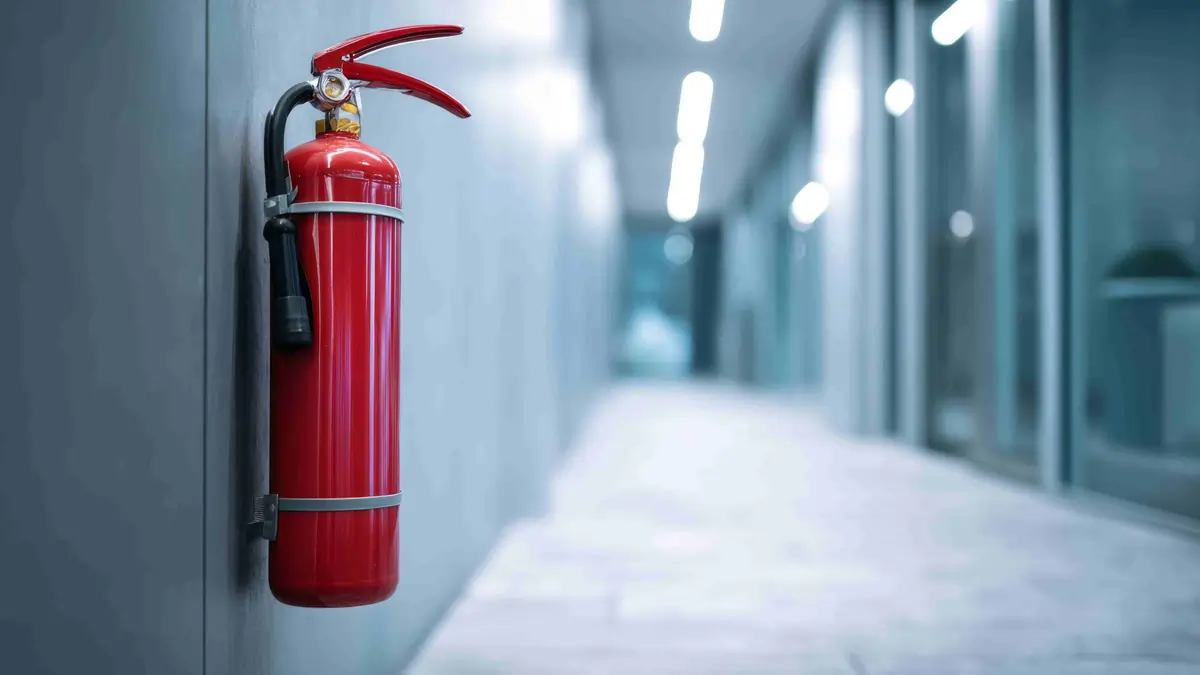
Match fire safety training to workplace responsibilities
Fire safety training should help employees prevent foreseeable problems and respond to the workplace emergency arrangements. General staff awareness, designated evacuation duties and specialist fire-risk assessment are different responsibilities. A course title or certificate should not be treated as evidence that someone is competent to perform every fire safety task.
Start with the workplace risks, premises and emergency plan. Identify what everyone needs to know, which people have additional duties and how those duties will be covered across shifts and absences. Provide the local instruction and practice needed to make the plan work.
This guide explains how to organise that learning and review it alongside equipment, procedures and supervision. It complements our fire warden responsibilities guide, which focuses on the designated role.
Understand the employer’s emergency-planning duty
Section 11 of the Safety, Health and Welfare at Work Act 2005 sets out employer duties for emergencies, including adequate plans and procedures, fire-fighting measures and evacuation. It also addresses designated employees and appropriate training and equipment. The arrangements must reflect the workplace and its risks.
Other fire safety and building requirements may apply to the premises and activities. Obtain competent advice for the actual building, use and proposed changes rather than relying on a general training article as a technical design specification. The HSA fire guidance is a useful official starting point.
The employer retains responsibility for suitable arrangements. Appointing a fire warden or buying an online course does not transfer that responsibility or replace competent assessment, maintenance and practice.
Your Specific Responsibilities as a Business Owner
Conduct Regular Fire Risk Assessments
Review the workplace’s fire hazards, the people exposed and the adequacy of the existing controls. Revisit the assessment when relevant conditions change, including premises, activities, occupancy or equipment. Use a person with competence appropriate to the task.
- Your fire risk assessment should identify:
- Potential sources of ignition
- Combustible materials and flammable substances
- People at particular risk (including employees, customers, contractors, and vulnerable individuals)
- Existing fire safety measures and whether they’re adequate
Implement Fire Safety Measures
Based on your risk assessment findings, you’ll need to put appropriate measures in place. This typically includes:
Fire detection and alarm arrangements: establish what is suitable for the premises and risks, and arrange appropriate inspection, testing and maintenance by competent persons. Staff should recognise the alarm and know the required response.
Emergency lighting: establish the arrangements needed to support escape and ensure they are maintained and checked as appropriate. Technical design and compliance questions require competent assessment.
Fire-fighting equipment: provide equipment appropriate to the premises and risks, with suitable maintenance and clear access. Its presence does not mean every employee should attempt to fight a fire.
Escape routes and exits: keep required routes accessible and unobstructed. Report damaged or obstructed fire doors and follow the approved arrangements for their operation.
Appoint and Train Fire Wardens
Designate people to carry out the emergency duties identified by the plan, with suitable competence, training and cover. Fire wardens may support tasks such as:
- Conducting regular checks of fire safety equipment
- Ensuring escape routes remain clear
- Leading evacuations during emergencies
- Conducting fire drills
- Maintaining fire safety awareness among staff
Training for designated personnel should explain the assigned duties and their limits, supported by local knowledge and practice. Do not assume that a general fire warden course qualifies someone to carry out a specialist fire-risk assessment.
Provide Fire Safety Training for All Staff
- Every employee needs fire safety training appropriate to their role. This should cover:
- Your workplace’s specific fire risks
- The location of relevant equipment and the limits of their assigned role
- Escape routes and assembly points
- What to do if they discover a fire
- The sound of the fire alarm and evacuation procedures
General awareness learning should be supplemented by site-specific instruction. Confirm that the employee can recognise the alarm, identify the appropriate escape route and explain what to do on discovering a fire.
Conduct Regular Fire Drills
Maintain Comprehensive Documentation
- Keep useful records of the arrangements and the actions taken, including:
- Fire risk assessments and any reviews or updates
- Fire safety training provided to employees
- Fire drill records
- Maintenance and testing of fire safety equipment
- Any enforcement notices or communications with fire authorities

Practise the arrangements and learn from the result
Use drills and other appropriate practice to check how the plan works. Include the different groups and operating conditions relevant to the workplace, and plan the exercise so that it does not itself create an avoidable risk. Agree how people needing assistance will be supported rather than leaving that decision to an emergency.
After a drill, discuss the sequence and any uncertainty. Were people clear about the alarm, routes and assembly arrangements? Did the responsible staff know how to communicate an unaccounted-for person? Were visitors and contractors covered? Record the improvements, assign owners and check the revised arrangement.
Provide new starters with the instruction they need before they encounter the relevant risks. Review refresher needs when procedures, premises, equipment or roles change, or when observation shows a gap. Avoid assuming that one universal annual course interval is sufficient for every workplace.
Choose a course and check what remains local
Compare the learning outcomes with the responsibilities of the people attending. General fire awareness and a designated warden programme serve different purposes. Establish any practical component and how the learning will be supported by the workplace plan, drills and supervision.
The Fire Warden Online Training page provides information about the available programme. Discuss the team’s needs with AcornStar before assuming that the same course covers every role.
Keep local instruction specific: the alarm, routes, assembly point, reporting arrangements and assigned duties should be clear to the employee. Ask them to explain the response in their own words and resolve uncertainty before relying on the arrangement.
Keep fire safety in normal management checks
Encourage staff to report blocked routes, damaged equipment or changes in the work area. Make it clear who receives a report and who can act. A recurring obstruction may reflect a storage or delivery problem that needs a practical solution, rather than another warning notice.
Include fire safety when planning contractors’ work, changing the layout or introducing new materials. Review how an out-of-service system or temporary change will be managed through competent advice and the relevant procedures.
Our HSA inspection preparation guide explains how to organise evidence of workplace controls. For wider support with procedures and responsibilities, explore HSEQ consultancy services.
Put the guidance into practice.
Discuss the training and procedures your team needs for its everyday work.
Talk to AcornStar →