Food Safety for Dark Kitchens in Ireland
Review HACCP, shared kitchens, delivery, packaging and allergen information for online orders.
Follow the food beyond the preparation area
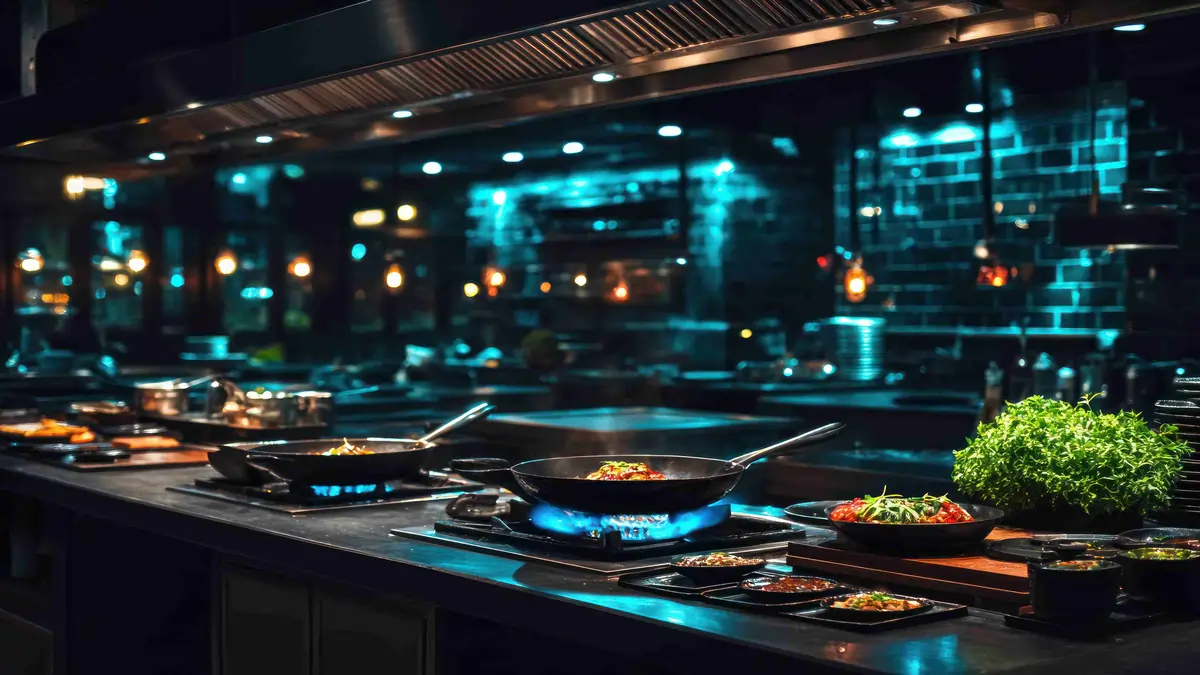
A dark kitchen prepares food primarily for collection or delivery, sometimes under several trading brands. Its food safety system needs to address the real flow of ingredients, preparation, packing, collection and transport. Operating online does not remove the responsibilities associated with supplying food.
The practical challenge is coordinating several handovers while maintaining the required controls. A meal can be prepared correctly but then delayed, mixed up or transported under unsuitable conditions. Identify those points in the process and agree how they are managed.
The FSAI takeaway guidance includes home delivery controls. Use the applicable requirements and guidance for your operation, rather than assuming a separate universal set of “2026 dark kitchen rules”.
Clarify registration and operating responsibilities
Confirm the registration or approval arrangements with the appropriate authority before operating and when significant activities change. Explain the premises, food processes, operators and trading names accurately. Do not assume that a platform listing is evidence that the food business requirements have been met.
For shared premises, define who controls each activity and the common facilities. Cleaning, pest control, storage, equipment maintenance and incident response should have clear owners. If several businesses use the same kitchen, document the responsibilities and practical coordination.
The FSAI registration guidance is the starting point. Seek clarification for the actual business structure instead of assuming that every virtual brand automatically requires an identical separate registration arrangement.
Manage several menus as one real operation
Review all products and ingredients handled in the premises, including those used for different brands. A customer-facing brand name does not create physical separation in a shared preparation area. The hazard analysis must reflect the equipment, staff and space actually shared.
Control recipes and substitutions, and keep allergen information aligned across ordering platforms, menus and packing instructions. Use a clear product and order identification method so staff can distinguish similar-looking meals.
Assess cleaning and separation between tasks and explain the arrangements to staff. Our allergen guide and HACCP system review guide provide related checks.

Assess holding and transport conditions
Consider the time between preparation, collection and delivery, including predictable delays and multiple orders. Establish controls appropriate to the food and process, and verify that the arrangements work under realistic conditions. Do not rely only on the temperature when food leaves the cooking equipment.
FSAI takeaway guidance identifies temperature control during delivery as part of maintaining food safety. Apply the relevant limits and any properly assessed procedures for the operation. Avoid adopting an unsupported universal delivery-time allowance from another business or an online article.
Define the response when collection is delayed, transport conditions are unsuitable or a check fails. Staff need authority to stop an order and contact the responsible person. Record the decision about food under the corrective-action procedure.
Choose packaging for its intended use
Confirm that packaging is suitable for the food, temperature and intended contact conditions. Review supplier information, sealing, leakage, handling and separation within the order. A container that works for one product may not suit another.
Assess the packing step within the hazard analysis. Packaging is not automatically a critical control point in every operation; the classification and controls should follow the analysis. Check the complete process rather than attaching a label to a step without reasoning.
Test the package through realistic handling and delivery conditions. Include the information customers need to identify the order and follow any relevant instructions. Our food safety change review guide covers supplier and food-contact material checks.
Make allergen information available across the order
Online or telephone ordering needs an information process that works before purchase and at delivery. The FSAI distance-selling guidance explains the requirements for prepacked and non-prepacked food.
Keep platform information current when recipes change, and test the customer journey rather than assuming an edit has reached every channel. Provide a route for questions and ensure the kitchen receives relevant customer information accurately.
At packing and dispatch, verify the correct items and supporting information. A well-controlled recipe still creates a problem if the wrong meal reaches the customer. Define how staff handle an unclear order or a requested change that cannot be fulfilled safely.
Agree the delivery handover and incident process
Whether using employees or an external delivery service, clarify collection, handling, transport and reporting arrangements. Confirm how food is protected, how delays are escalated and how an order can be identified if a concern is reported.
Do not make assumptions about a courier’s knowledge or equipment. Establish the expectations relevant to the service and check that the agreed process is workable. Include rejected collections, damaged packaging and failed deliveries in the procedure.
Keep the traceability and order records needed for investigation and any withdrawal or recall. Our food incident response guide explains the importance of coordinated decisions and factual communication.
Train, test and review the complete service
Use local instruction for preparation, packing, dispatch and supervision. Staff should understand the whole handover relevant to their role, including what to do when an order cannot proceed normally. The induction guide helps structure those checks.
Run a practical review during realistic demand and examine the evidence after menu, equipment or delivery changes. Software can help organise records, but verify the information and response process; see the digital kitchen records guide.
Contact AcornStar to discuss training and food safety management support. The objective is a coordinated system that covers the actual journey to the customer, with clear responsibility at each stage.
Put the guidance into practice.
Discuss the training and procedures your team needs for its everyday work.
Talk to AcornStar →