Food Safety in Irish Healthcare Catering
Plan food safety controls for vulnerable diners, traceability and service handovers.
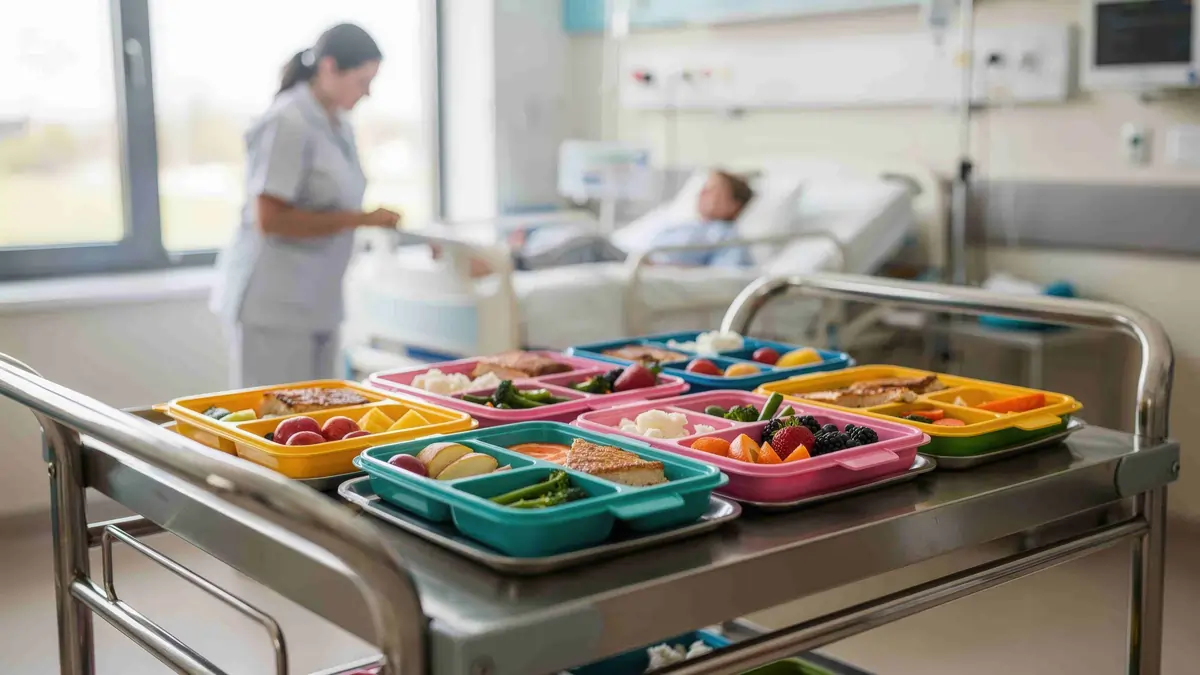
Plan food safety around the people and service
Healthcare and residential care food services may serve people who are particularly vulnerable to foodborne illness. The food safety system needs to reflect the population, the meals prepared and the route from purchasing to the person receiving the food. It must also work alongside individual dietary and care requirements.
Clarify the service model: food prepared on site, delivered from another kitchen, served on wards or units, or supplied by a contractor. Identify who controls each stage and how information moves between catering, care staff and the people responsible for clinical or dietary decisions.
Official FSAI guidance for vulnerable groups and safefood’s healthcare food safety guidance provide relevant starting points. Apply them within the service’s assessed procedures and professional governance.
Map the complete meal journey
Follow food from supplier approval and delivery through storage, preparation, cooking or other processing, holding, transport and service. Include satellite kitchens, ward refrigerators and the handling of meals when a person is unavailable at the planned time.
Identify the handovers where information or control can be lost. A meal may leave the main kitchen under appropriate conditions but then wait during transport or be served to the wrong person. The procedure should define who checks the meal, conditions and recipient at each relevant point.
Include non-routine arrangements such as late admissions, appointments, isolation requirements or equipment failure. Agree safe alternatives in advance rather than leaving staff to improvise while managing competing care needs.
Keep dietary decisions and food safety responsibilities clear
Clinical and individual dietary requirements should be communicated through the service’s approved process by the appropriate professionals. Catering staff need accurate, current instructions and a route to resolve an uncertainty before preparing or serving a meal.
For texture-modified foods, assess the preparation, equipment cleaning, holding and service process. Follow the prescribed texture and the service’s validated procedures; do not use a general food safety article to determine an individual’s swallowing or nutritional needs.
Allergen information, ingredient substitutions and other dietary requirements need a reliable change process. The allergen awareness guide supports the food information aspect, while clinical decisions remain with the appropriate care team.

Control time, temperature and contamination
Establish the controls and limits appropriate to the foods and processes used, with competent assessment where required. Monitoring should cover the relevant stages, including transport and service arrangements that extend beyond the main kitchen.
Provide suitable equipment and instruction for checks, and define the action when a result is outside the procedure. A normal reading after adjustment does not establish that earlier exposure was acceptable. Record the decision on affected food and verify the response.
Assess separation, cleaning, hand hygiene and equipment use across the service. Include shared or satellite facilities, where catering procedures may need to be understood by care or support staff. Our corrective-action guide explains the connected decision process.
Review suppliers, contractors and food brought in
Agree specifications, delivery checks and the information needed for traceability and dietary suitability. Review changes in products or suppliers before use. A substitute that appears similar may have different ingredients or handling requirements.
Where a catering contractor is involved, clearly allocate responsibilities and check how the agreement works in practice. The FSAI catering services guidance addresses the relationship between a client organisation and contractor.
Have a clear local policy for food brought in by relatives, visitors or residents, developed with the appropriate care and food safety input. Explain the arrangements respectfully and consistently. Consider storage, identification, dietary suitability and the person’s preferences within the service’s responsibilities.
Match learning to the actual role
Identify the skills needed by cooks, catering assistants, service staff, cleaners, supervisors and any care staff who handle or serve food. Course completion should be supported by local instruction and checks that the person can apply the relevant procedure.
Use the HACCP level guide to discuss course depth and the manager guide for responsibilities in maintaining the system. Do not assume that a single commercial certificate title is prescribed for every healthcare role.
Review learning when responsibilities, procedures or observed performance change. Keep records of course completion, local demonstrations, supervision and follow-up. Our refresher guide helps identify practical triggers.
Use the requirements for the particular service
Food law applies alongside the relevant healthcare or residential service requirements. The precise framework depends on the service; avoid treating a statement about one type of designated centre as a rule for every hospital, nursing home and community service.
For designated centres for older people, consult the applicable regulations and HIQA assessment guidance, including food and nutrition. Do not rely on unsupported claims that a general “Schedule 5” update prescribes annual commercial HACCP certificates or a universal level for each job title.
Confirm any contractual reporting requirements from the actual agreement and responsible organisation. Keep them distinct from statutory requirements and local good practice so staff understand the basis of each obligation.
Verify the system and learn from concerns
Review records alongside observation and feedback from residents, patients and staff. Investigate missed checks, meal identification problems, repeated delays and uncertainty about instructions. Give actions an owner and check whether the change works across shifts.
Connect incident response with the service’s clinical, operational and food safety arrangements. Preserve the relevant facts and obtain appropriate advice promptly. The food incident response guide explains the management and communication elements.
Use a proportionate food safety review to identify gaps before they become routine. Contact AcornStar to discuss training and management support that fits the service and the people it serves.
Put the guidance into practice.
Discuss the training and procedures your team needs for its everyday work.
Talk to AcornStar →