Winter Workplace Hazards: Practical Controls
Check slips, cold conditions and driving tasks using controls suited to winter work.
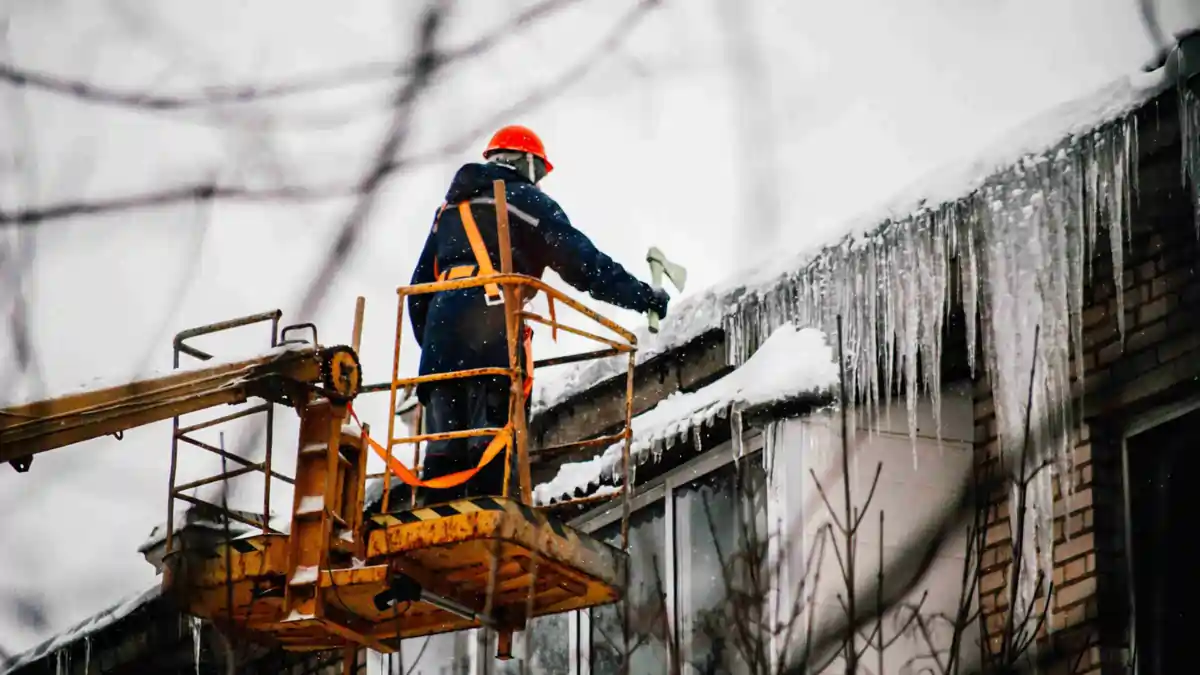
Use a practical checklist for the conditions on site
Winter workplace preparation turns the seasonal plan into checks that people can carry out before and during work. Wet surfaces, darkness, ice, cold and disrupted journeys need attention at the time they affect the task. A checklist should identify a condition and the action required, not simply record that winter has arrived.
Use this guide alongside your workplace assessment and winter safety plan. Adapt the checks to the premises, hours, activities and people involved. An office entrance, a loading yard and a remote maintenance job will need different arrangements.
The supervisor should know which defects can be addressed immediately, which require restriction of the area and which need escalation. Record who takes the action and check the result before assuming the issue is resolved.
Check pedestrian routes before people arrive
Inspect the routes people will actually use, including car parks, steps, ramps, gates and paths between buildings. Look for ice, standing water, wet leaves, damaged surfaces and poor lighting. Consider accessible routes and delivery access as well as the main staff entrance.
Apply the agreed treatment or restriction through the site procedure. The HSA snow and ice guidance provides information for the assessment. Do not assume that one treatment remains effective throughout changing conditions.
Check that a diversion is safe and clearly communicated. A closed walkway can move pedestrians into vehicle traffic unless the alternative is planned. Update the responsible manager when the normal route can be reopened.
Control water and contamination at entrances
Follow the path from outside to the reception, corridors and work areas. Water carried on footwear or clothing can spread beyond the doorway. Review drainage, matting and cleaning arrangements, including the point at which a mat becomes saturated or creates a trip hazard.
The HSA entrance guidance discusses safeguards for this transition. A warning sign can support communication, but it does not remove water or repair a surface. Deal with the condition and control access while doing so.
Coordinate cleaning with the operating schedule. Staff need suitable equipment and a clear method for leaving the floor safe. Check the result during busy arrival periods, when a condition can change much faster than during a quiet inspection.
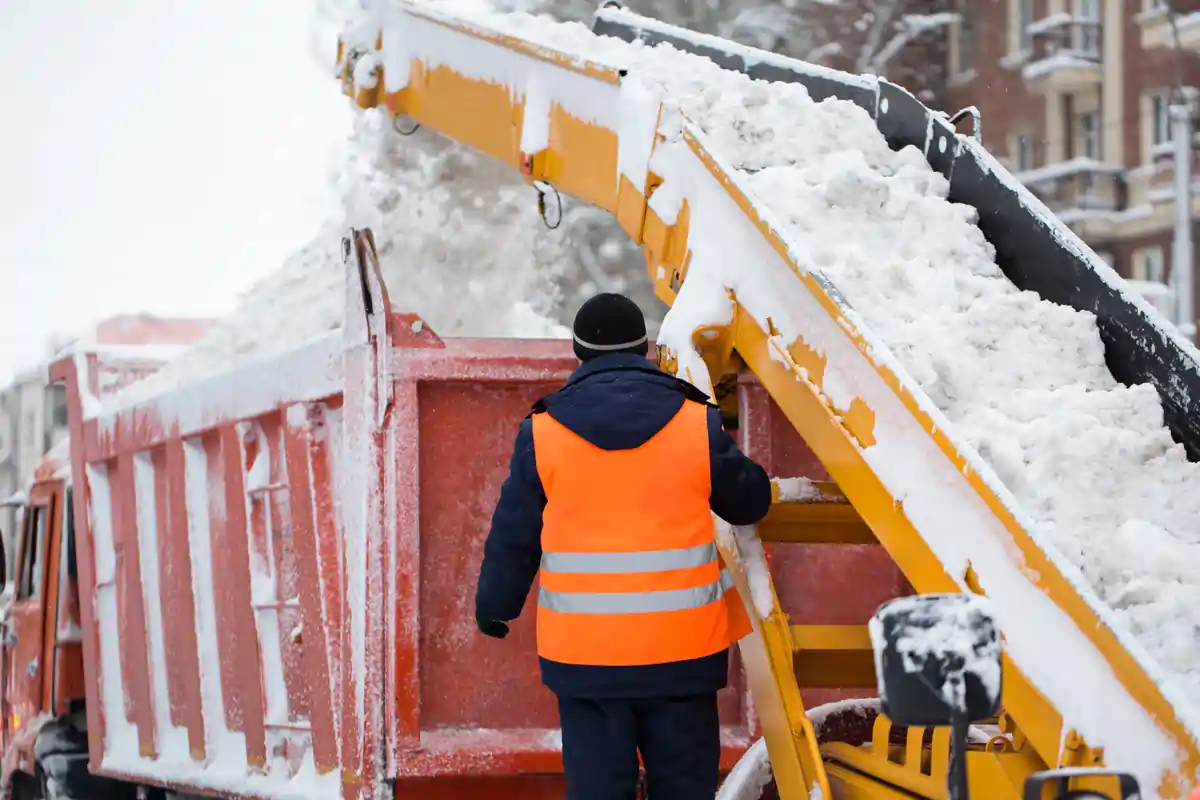
Inspect lighting, heating and welfare arrangements
Check lighting where people walk, load, inspect equipment or perform detailed tasks. Shorter daylight hours may expose a problem that was less obvious in summer. Report failed lighting promptly and restrict or change the affected activity where needed.
Check that heating and ventilation arrangements are operating as intended and that employees can report unsuitable conditions. Temperature requirements depend on the applicable Irish provisions and the work; do not apply a UK temperature figure as if it were Irish law.
Confirm access to suitable welfare facilities, rest areas and arrangements for wet clothing. Review a heating failure or prolonged outdoor task through the assessment and obtain competent advice where necessary. Avoid introducing an unassessed temporary heater as a quick solution.
Review clothing, equipment and handling tasks
Check that protective equipment selected through the assessment remains suitable and serviceable. Consider footwear, gloves, visibility and compatibility with other protection. Additional clothing should not obstruct movement, create entanglement risks or interfere with equipment.
Observe handling tasks in the actual conditions. Wet packaging, bulky clothing, poor grip or a slippery route can change the task. Use suitable aids, change the route or postpone the movement where necessary. The manual handling guide explains why task controls come before reliance on technique.
Confirm that employees know how to report damaged equipment and obtain a replacement. A supervisor should not assume a problem is resolved simply because suitable equipment was originally issued.
Check work-related journeys before departure
Confirm the need for the journey and review current conditions, route and timing. Consider whether the work can be postponed or completed another way. The driving for work guide covers the driver, vehicle and journey together.
Use the vehicle inspection and maintenance arrangements appropriate to the vehicle. Pay attention to visibility, lighting, tyres, demisting and defects reported by the driver. Refer defects through the agreed process and do not send a vehicle out simply because the schedule is tight.
Explain how drivers can report deterioration in conditions and obtain a revised instruction. Avoid contacting someone in a way that requires a response while driving. Allow realistic time and breaks rather than encourage rushing to recover weather delays.
Maintain emergency access and communication
Check exits, escape routes and assembly arrangements during site inspections. Ensure that temporary barriers, equipment or cleared material have not obstructed them. Include access needed by emergency services and the route used by people who require assistance.
Confirm who is on site and how changes are communicated to different shifts, visitors and contractors. Test the contact process where a power or network failure could prevent normal messages. Keep the relevant instructions available to the people who need them.
Review the workplace fire safety arrangements when temporary equipment or changed occupancy affects the premises. Winter adjustments should remain consistent with the wider emergency plan.
Record actions and learn from the day
A useful record identifies the area, time, condition, action and any remaining restriction. Keep it proportionate to the workplace. A repeated tick without a condition or follow-up gives little help when a problem persists across shifts.
Invite staff to report concerns and near misses, then close the loop with feedback. Use recurring problems to improve drainage, layout, equipment or scheduling rather than repeatedly ask people to be more careful in the same unsafe conditions.
Review findings through the risk assessment process and update the seasonal plan. Contact AcornStar to discuss training and practical procedures for your workplace.
Put the guidance into practice.
Discuss the training and procedures your team needs for its everyday work.
Talk to AcornStar →